138/5 เอเลเว่น ไอ คลินิก ซอยทองหล่อ 11 (สุขุมวิท 55 ทองหล่อ) ตรงข้ามร้านอาหาร ออเดรย์ คาเฟ่, Bangkok, Thailand, Bangkok

ขาว

PROGRAM

PSORIASIS

Psoriasis is a chronic skin condition
that can be controlled with proper care

Thick, raised plaques with silvery-white scales on the skin, flare-ups triggered by stress or changes in weather, anxiety about others’ perceptions, or misunderstandings that the condition is contagious  these are all part of Psoriasis, a chronic skin disease that, while not life-threatening, can significantly affect a patient’s quality of life and self-confidence.


The good news is that psoriasis can be effectively managed with proper diagnosis and care from a medical specialist.
What is
PROGRAM PSORIASIS

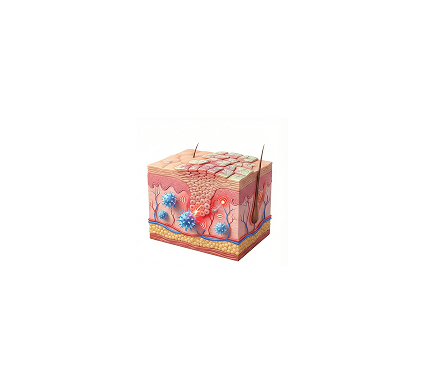
Psoriasis is a chronic inflammatory skin condition caused by an abnormal immune system response. Normally, the skin cell turnover cycle takes about 28–30 days. However, in people with psoriasis, skin cells are produced much more rapidly within just 3–4 days. This accelerated production prevents old skin cells from shedding properly, leading to a buildup of thickened patches with white scales or flaky plaques on the skin.


Psoriasis is not contagious and is not life-threatening, but it requires ongoing care and continuous monitoring to manage symptoms effectively.

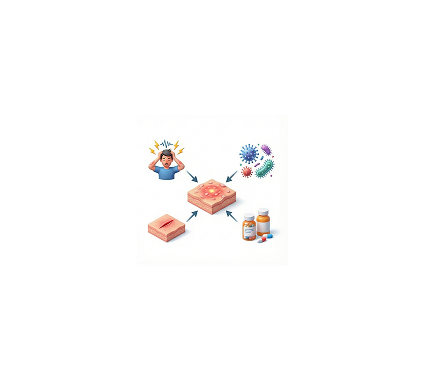
The main causes of psoriasis.

Psoriasis is a complex disease that arises from multiple contributing factors. The main factors include the following:

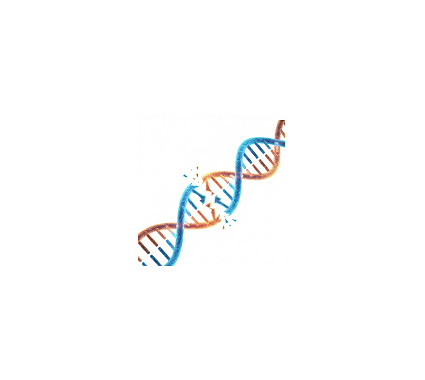
Genetics

It has a strong genetic association. If a family member has psoriasis, the risk increases.

Immune system abnormalities

The immune system mistakenly identifies normal skin cells as foreign invaders, triggering a continuous release of inflammatory substances. This causes skin cells to multiply too rapidly, resulting in thick patches and scaling.

External stimuli

These factors may cause a previously controlled condition to flare up again, including:

  • Stress

  • Infection

  • Skin injury

  • Certain medications

Characteristics of Psoriasis and Commonly Affected Areas

The most common type is Plaque Psoriasis, which has the following key characteristics:

g3459

Thick, raised, red rash

Clearly defined borders, raised above the surrounding skin.

skin-disease_17909455 1

silvery white scales

Covered with thick plaques; when scraped off, small pinpoint bleeding spots may be observed.

allergy_11009197 1

Itching or burning sensation

Generally less itchy than eczema, but some individuals may experience irritation or pain.

rash_8558315 1

Nail abnormalities

Thickened nails, rough texture, pitting, or changes in nail color.

Glyph

Common areas found

– Scalp

– Elbows and knees (outer side)

– Lower back

Fingernails, Toenails

Treatment and Management Guidelines for Psoriasis

The goal of treatment is to reduce inflammation, slow down the proliferation of skin cells, and control symptoms to prevent flare-ups.

Topical Treatment

Steroid medication reduces inflammation rapidly.
Vitamin D derivatives slow down the proliferation of skin cells.
Salicylic acid helps soften scales and makes them easier to shed.

Light Therapy (Phototherapy)

It uses ultraviolet light under medical supervision to help reduce skin cell proliferation and inflammation.

Oral and Injectable Medications (Systemic & Biologic Therapy)

Suitable for patients with severe symptoms or widespread rashes.

Biologic Therapy is an injectable treatment that specifically targets the immune system, providing high therapeutic effectiveness and helping to control the disease efficiently.

Frequently Asked Questions (FAQ)

Q: Can psoriasis be completely cured?

A: At present, it is not yet possible to achieve a permanent cure. However, with modern medicine particularly biologic therapies symptoms can be very effectively controlled. Many patients are able to reach remission and experience a significant improvement in their quality of life.

A: Psoriasis is caused by an abnormally rapid turnover of skin cells, leading to thick patches and silvery scales. It is commonly found on the outer sides of the elbows and knees. In contrast, eczema is caused by dry skin and allergic reactions, resulting in intense itching, red and sometimes oozing rashes, and is commonly found in skin folds.

A: Yes, it is related. It is called nail psoriasis, which may be a warning sign of psoriatic arthritis. It should be evaluated by a doctor to determine an appropriate treatment plan.