Skin cancer is one of the cancers that can be completely cured if detected at an early stage. Full Body Skin Cancer Screening is not merely a routine mole check, but a comprehensive evaluation of the skin from head to toe by a specialist dermatologist to identify even the slightest abnormalities that may not be visible to the naked eye.
Detecting it just a few months earlier can make the difference between a simple treatment and a more complex one in the future.
What is screening?
This program is a comprehensive skin examination performed by a dermatologist. The patient will wear a gown, and the doctor will systematically examine all areas of the body, including:
Visual Examination
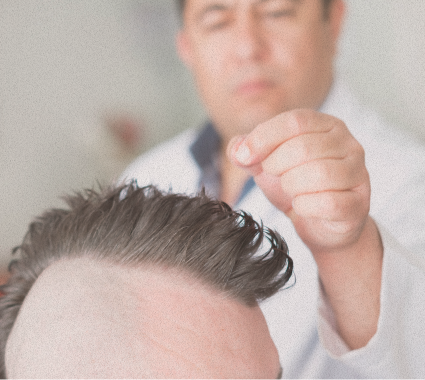
A full-body skin examination, including the scalp, ears, palms, soles, between the fingers, between the toes, and other hard-to-see areas.
Dermoscopy Examination
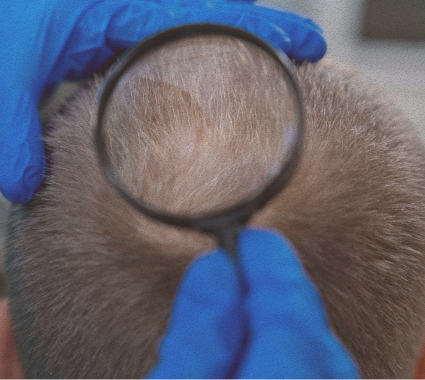
A specialized magnifying device with integrated light is used to evaluate the structure, color, and characteristics of moles or skin lesions, enhancing accuracy in skin cancer screening.
Optional: Total Body Mapping
In some programs, photographs of moles and skin lesions across the entire body may be taken to compare changes during follow-up examinations.
Who should undergo screening?
Screening is especially important for high-risk groups. However, Thai individuals and people with darker skin can also develop skin cancer.
There is a family history of skin cancer.
Have you ever had a history of severe sunburn, especially during childhood.
Work outdoors or be exposed to sunlight for extended periods of time.
Having a large number of moles (more than 50) or moles that show changes in appearance.
People with very fair skin, light-colored hair, or light-colored eyes.
Detected at an early stage, increasing the survival rate up to 99%.
Melanoma is the most aggressive type of skin cancer. If detected at an early stage, the chance of a complete cure is as high as 99%.
Regular screening is therefore like long-term skin health care, helping reduce potential risks that may develop without you realizing it.
If any abnormalities are detected, how will the doctor proceed?
If a suspicious lesion is detected, the doctor will proceed with further confirmatory examinations, including:
Skin Biopsy
Administer local anesthesia and remove a small skin tissue sample from the suspected area for pathological examination.
Pathological Confirmation
The test results will help confirm whether it is skin cancer and identify the specific type, allowing for an accurate and appropriate treatment plan moving forward.
Frequently Asked Questions (FAQ)
Q: How long does the screening take?
A: It generally takes about 15–30 minutes, depending on the number of moles or lesions that need to be examined and evaluated.
Q: How often should screening be done?
A:
For individuals with no risk factors, an annual screening is recommended (once per year).
For high-risk individuals, doctors may recommend screening every 3–6 months.
Q: Is the screening painful?
A: The screening examination is performed through visual inspection and magnification, and it does not cause pain. Discomfort is felt only in cases where a biopsy is required, in which case the doctor will always administer local anesthesia beforehand.