138/5 เอเลเว่น ไอ คลินิก ซอยทองหล่อ 11 (สุขุมวิท 55 ทองหล่อ) ตรงข้ามร้านอาหาร ออเดรย์ คาเฟ่, Bangkok, Thailand, Bangkok

ขาว

PROGRAM

ECZEMA

Atopic Dermatitis
A Common Condition That Affects Quality of Life

Severe itching that flares up repeatedly especially at night along with red rashes and dry, cracked skin that you constantly have to cover up, or the need to apply topical medications over and over again without complete relief. These symptoms may be signs of eczema, a chronic skin condition that affects both skin health and confidence in daily life.

What is

PROGRAM ECZEMA

Medically known as Atopic Dermatitis, this condition is a common chronic inflammatory skin disorder. It is most frequently found in children, but it can also develop or persist into adulthood.


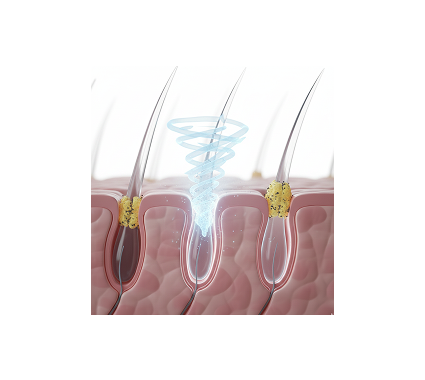
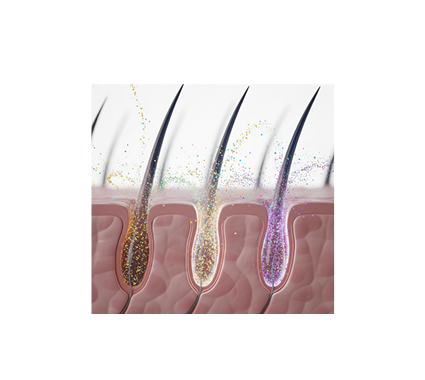
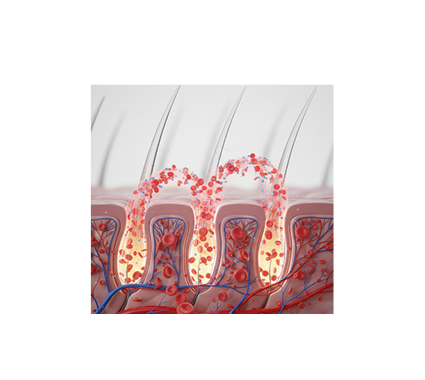
This disease is not contagious. It results from abnormalities in the skin barrier and the immune system, causing the skin to become highly sensitive to external triggers, lose moisture easily, and experience recurrent inflammation. As a result, it can significantly impact a patient’s quality of life.

The main causes of eczema include:

Atopic dermatitis is often caused by multiple contributing factors, which can be divided into two main groups.

Genetic Abnormalities and the Skin Barrier

  • It is associated with a family history of allergies.
  • A weakened skin barrier causes the skin to lose moisture easily.
  • Allergens and pathogens can penetrate the skin more easily.
  • This leads to chronic inflammation.

external stimuli

  • Irritants such as harsh soaps, detergents, perfumes, or chemicals
  • Weather conditions, such as very dry air or hot weather that causes excessive sweating
  • Certain foods in some individuals, such as milk, eggs, and nuts
  • Stress, which can trigger flare-ups of symptoms

Signs and symptoms of

Eczema

allergy_11009197 1

Severe itching

It is a key symptom that often becomes more severe at night and may lead to scratching until the skin becomes abraded or develops an infection.

g3459

Red rash and inflammation

The affected area of the skin may become red, swollen, and feel warm.

rash_8558315 1

Dry, cracked, and flaky skin

The skin has lost a significant amount of moisture.

skin-disease_17909455 1

Clear fluid-filled blisters or weeping (oozing) skin

When the blister breaks, a scab may form afterward.

Glyph

Common areas

Young child

Cheeks, outer elbows

Older children and adults
Inner elbows, behind the knees, neck, around the eyes

Guidelines for the Care and Treatment of Eczema

Although eczema is a chronic condition, its symptoms can be managed and you can live a normal life with proper care.

Increasing skin hydration

  • Use a cream or lotion that is free from fragrance and irritants.
  • Apply immediately after showering, and reapply as often as needed.
  • Helps strengthen the skin’s protective barrier.

Avoiding triggers

  • Avoid taking very hot showers.
  • Use a gentle soap.
  • Reduce stress and avoid scratching.
  • If itching occurs, use a cold compress instead of scratching.

Medical treatment by a physician

  • The use of topical or oral medications, especially corticosteroids, must be strictly supervised by a physician.
  • They should not be purchased or used without medical guidance, as this may lead to side effects or potentially worsen the condition.

Frequently Asked Questions (FAQ)

Q: Is eczema contagious?

A: It is not contagious. It is a condition caused by abnormalities in the skin barrier and the immune system, and it cannot be transmitted through contact or by sharing personal items.

A: There is a possibility of recurrence, as this is a chronic condition. Consistent skincare and taking medication as prescribed by a doctor are essential. Do not stop the medication on your own; consult your doctor to appropriately adjust the treatment plan.

A: It occurs in some cases, especially in young children. However, not everyone is allergic to food. If there is suspicion, a doctor may recommend allergy testing or dietary adjustments under professional supervision.