138/5 เอเลเว่น ไอ คลินิก ซอยทองหล่อ 11 (สุขุมวิท 55 ทองหล่อ) ตรงข้ามร้านอาหาร ออเดรย์ คาเฟ่, Bangkok, Thailand, Bangkok

ขาว

PROGRAM

NAIL DISORDERS

Care and Treatment
for Nail Disorders

Nail problems such as abnormally thickened nails, discoloration, brittleness, or chronic ingrown nails not only cause discomfort and pain, but can also affect one’s appearance and self-confidence in daily life.


Nail abnormalities should not be overlooked, as in some cases they may be warning signs of skin conditions or underlying systemic diseases. Accurate diagnosis and appropriate treatment are therefore essential.
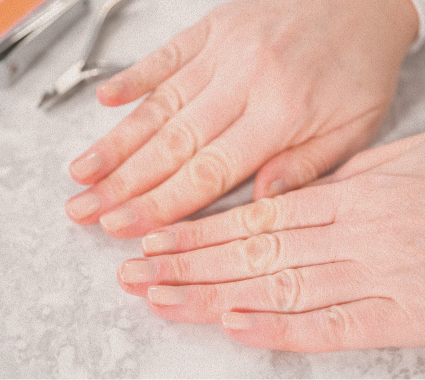
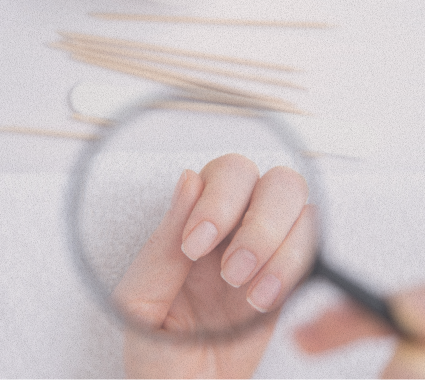
The starting point of precise treatment

Because many nail diseases have similar external appearances, visual assessment alone may not be sufficient. Therefore, our program begins with a diagnosis by specialist physicians, including:

Comprehensive History Taking

Conduct a thorough medical history assessment to evaluate risk factors such as injuries, chemical exposure, or a history of concurrent skin conditions.

Magnified Nail Examination

Examine the nails and the surrounding skin with a magnifying device to thoroughly assess the nail structure.

Laboratory Investigation

In cases where a fungal infection or a specific condition is suspected, the doctor will collect a nail sample for laboratory testing, such as culture or pathological examination, to confirm the diagnosis.

Common Nail Diseases
That Should Not Be Overlooked

PROGRAM NAIL DISORDERS covers the care and treatment of common nail abnormalities, including:

Icons

Onychomycosis (nail fungal infection)

Causes the nails to become thick, turn yellow or brown, and become brittle and easy to crack.

health_14905794 1

Ingrown Toenail

The edge of the nail grows into the surrounding skin, causing pain, swelling, and an increased risk of infection.

excellence

Nail Psoriasis (Psoriasis of the Nails)

Presence of nail pitting, thickened nails, nail separation, or discoloration.

svg1890

Onycholysis (nail separation)

The nail separates from the nail bed, often with a cloudy white discoloration underneath. This is usually caused by injury or moisture buildup.

Nourishing and restoring hair roots at the cellular level through targeted medical treatment that addresses the root cause

The treatment plan will be designed according to the type and severity of the nail condition in each individual, including:

Oral Antifungal Therapy

The use of oral antifungal medication for fungal infections embedded deep beneath the nail plate will be carefully supervised and closely monitored by a physician to ensure safety.

Topical Nail Treatment

The use of topical medications, such as nail lacquer or solutions with antifungal and anti-inflammatory properties applied directly to the affected area.

Anti-inflammatory Therapy

For nail psoriasis or severe inflammation, the doctor may consider administering localized injections to help control the symptoms.

Specialized treatment for more effective results.

To enhance the effectiveness of treatment, we incorporate advanced medical technologies to complement patient care, including:

Laser Therapy for Nail Fungus

The use of laser energy at a specific wavelength to safely destroy fungal infections beneath the nail without damaging the surrounding tissue.

Minor Surgery for Ingrown Nail

Permanent treatment for ingrown toenails by removing the embedded edge of the nail and selectively destroying part of the nail root to prevent it from growing back and piercing the skin again in the future.

Frequently Asked Questions (FAQ)

Q: Can nail fungus be completely cured?

A: It can be completely cured, but it requires time and consistency in treatment. Generally, it takes about 3–12 months, depending on each individual’s nail growth rate.

A: Yes, nails can reflect internal health issues. For example, yellow nails may be associated with liver or lung disease, and pitting on the nails may be related to psoriasis.

A: If the infection is completely eliminated, the newly grown nail will return to being clear and healthy as normal. However, you will need to wait for the new nail to fully grow out and completely replace the old one.